Reka bentuk ruang latihan masa depan.
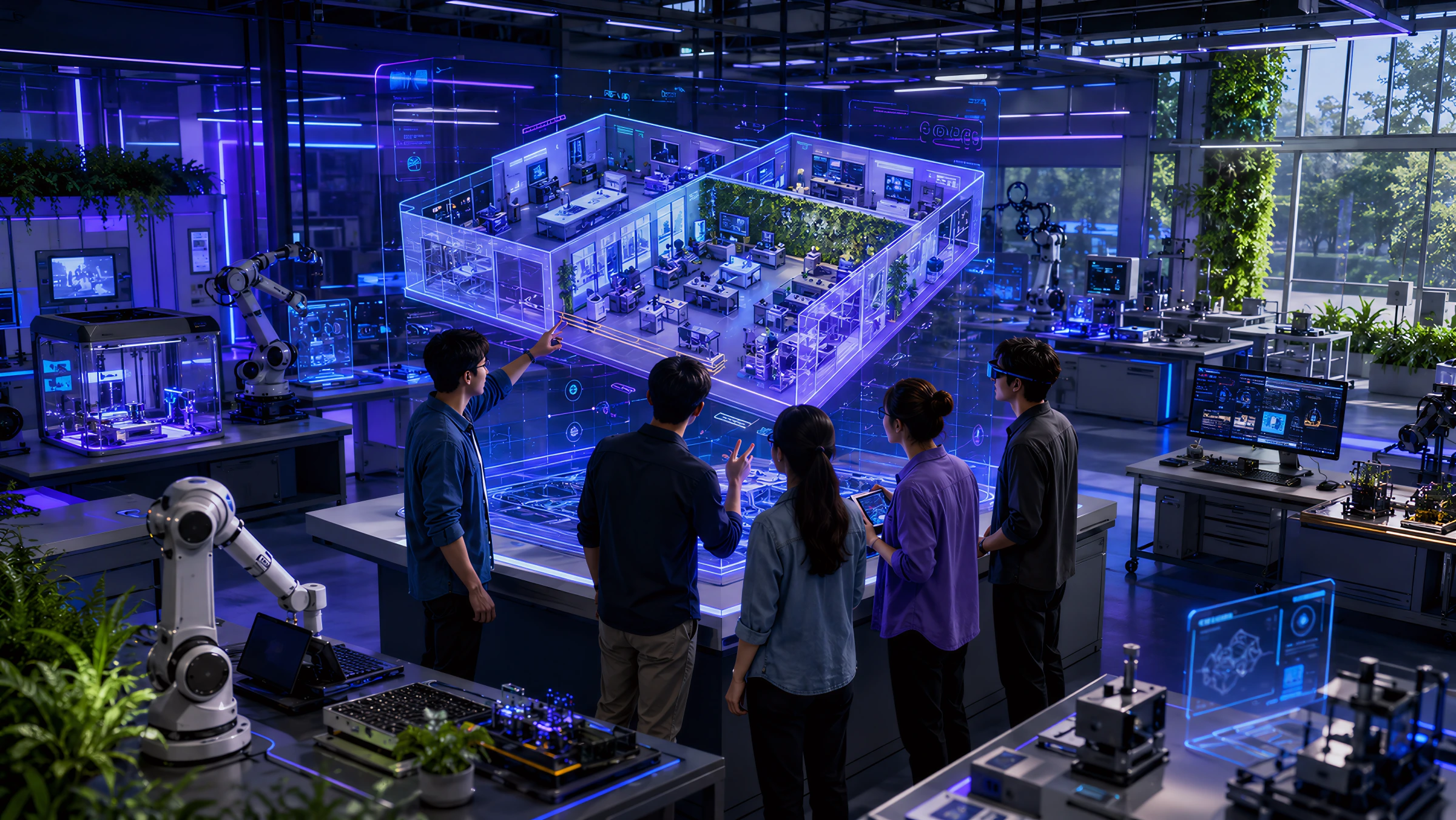
Future Training Space Ideation menggalakkan peserta menghasilkan idea inovatif dalam reka bentuk ruang dan fasiliti latihan, termasuk peralatan, ruang latihan atau perabot seperti kelas pintar. Cadangan boleh dikemukakan dalam bentuk lukisan dan simulasi berkonsepkan futuristik serta mesra alam, dengan pengintegrasian teknologi seperti AI, realiti maya (VR), realiti tambahan (AR) dan Internet Kebendaan (IoT) bagi menyokong persekitaran pembelajaran yang lebih moden dan berkesan.
Tujuan kategori ini.
Kategori ini bertujuan mendorong kreativiti dan inovasi dalam reka bentuk ruang latihan masa depan, serta menggalakkan penggunaan teknologi dan pendekatan moden seperti AI, VR, AR dan IoT bagi meningkatkan keberkesanan pengalaman pembelajaran.
Kategori ini turut menyediakan ruang untuk berkongsi idea futuristik yang praktikal dan boleh dilaksanakan. Cadangan yang dihasilkan boleh dijadikan rujukan dan disesuaikan mengikut keperluan institusi masing-masing.
Kelayakan dan satu syarat kategori.
Penyertaan hendaklah mematuhi syarat umum MIPAC TVET 2026 yang diterangkan di halaman Mengenai dan dalam garis panduan utama pertandingan. Kategori ini tertumpu pada cadangan reka bentuk ruang latihan masa depan yang dipersembahkan melalui video pembentangan idea. Penyertaan perlu menerangkan idea, visualisasi reka bentuk dan nilai inovasi dengan jelas.
Spesifikasi penyertaan.
Bentuk penyertaan ialah video pembentangan idea bagi reka bentuk ruang latihan masa depan. Video tersebut perlu memenuhi spesifikasi berikut untuk diterima.
Dokumen sokongan.
Selain video pembentangan idea, peserta hendaklah mengemukakan dokumen sokongan yang ditetapkan. Semua dokumen perlu boleh diakses sepanjang tempoh penilaian.
- Laporan projek. Latar belakang, huraian idea, konsep reka bentuk, teknologi yang digunakan, impak, serta prompt atau log penggunaan AI jika berkaitan dalam format PDF atau Word.
- Ringkasan projek (extended abstract). Ringkasan pendek tentang projek.
- Poster projek. Paparan visual yang merumuskan cadangan reka bentuk.
- Pautan video atau bahan digital. Pautan kepada video pembentangan idea dan bahan digital berkaitan.
- Dokumen sokongan lain. Dokumen tambahan lain yang berkaitan bagi menyokong penyertaan.
Aspek penilaian.
Panel pakar TVET menilai setiap penyertaan melalui semakan dokumen dan sesi pembentangan. Aspek penilaian adalah seperti berikut. Wajaran tepat bagi setiap aspek ditetapkan oleh jawatankuasa penilaian dan disenaraikan dalam garis panduan kategori.
- Laporan projek, termasuk log penggunaan AI
- Pematuhan spesifikasi wajib dan penggunaan AI yang beretika
- Pembentangan, termasuk kejelasan dalam menerangkan idea dan menjawab soalan
- Reka bentuk dan kefungsian, termasuk susun atur, keselamatan ruang, kebolehlaksanaan dan kelestarian
- Keaslian, kreativiti dan inovasi, termasuk idea yang mencerminkan keperluan masa hadapan
- Kualiti video projek dari aspek visual, audio dan suntingan
- Impak dan kebolehgunaan dalam persekitaran TVET sebenar
- Potensi penggunaan secara meluas, kebolehskalaan dan penyesuaian di institusi TVET lain